Measures to Address Molding Defects through Moisture Content and Viscosity Measurement for Electronic Devices
Quantifying moisture content and viscosity in plastic molding to suppress insulation defects!
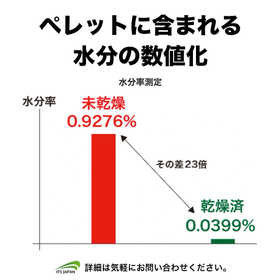
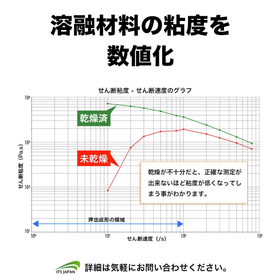
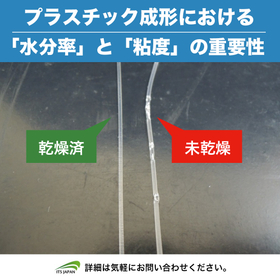
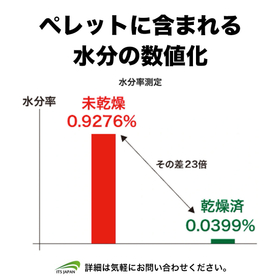
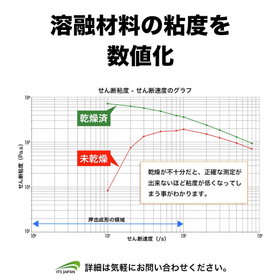
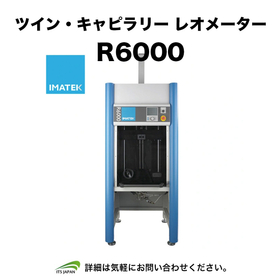
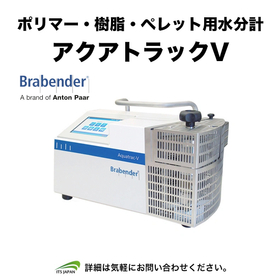
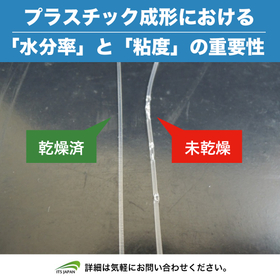
In the electronics industry, quality control in plastic molding is crucial to ensure the insulation properties of products. Particularly for electronic components used in high voltage or high-temperature environments, molding defects can lead to insulation failures, resulting in decreased product performance or accidents. If the moisture content of plastic pellets is high, it can cause foaming or shape defects during molding, potentially compromising insulation. The article we provide introduces a method to quantitatively evaluate the impact of the drying level of TPU pellets on moldability. By measuring the moisture content and viscosity of both undried and dried TPU pellets and comparing the appearance of the extrudates, it becomes possible to identify the causes of molding defects and implement countermeasures. 【Application Scenarios】 - Manufacturing of electronic components that prioritize insulation - Molding of high voltage equipment - Production of electronic devices used in high-temperature environments 【Benefits of Implementation】 - Reduction of molding defects - Improvement of product quality - Enhancement of yield
- Company:アイ・ティー・エス・ジャパン
- Price:Other